

Website speed is no longer just a technical metric hidden away in developer tools.
In 2026, performance directly affects how customers perceive your business, how Google ranks your website, and whether visitors convert into paying customers.
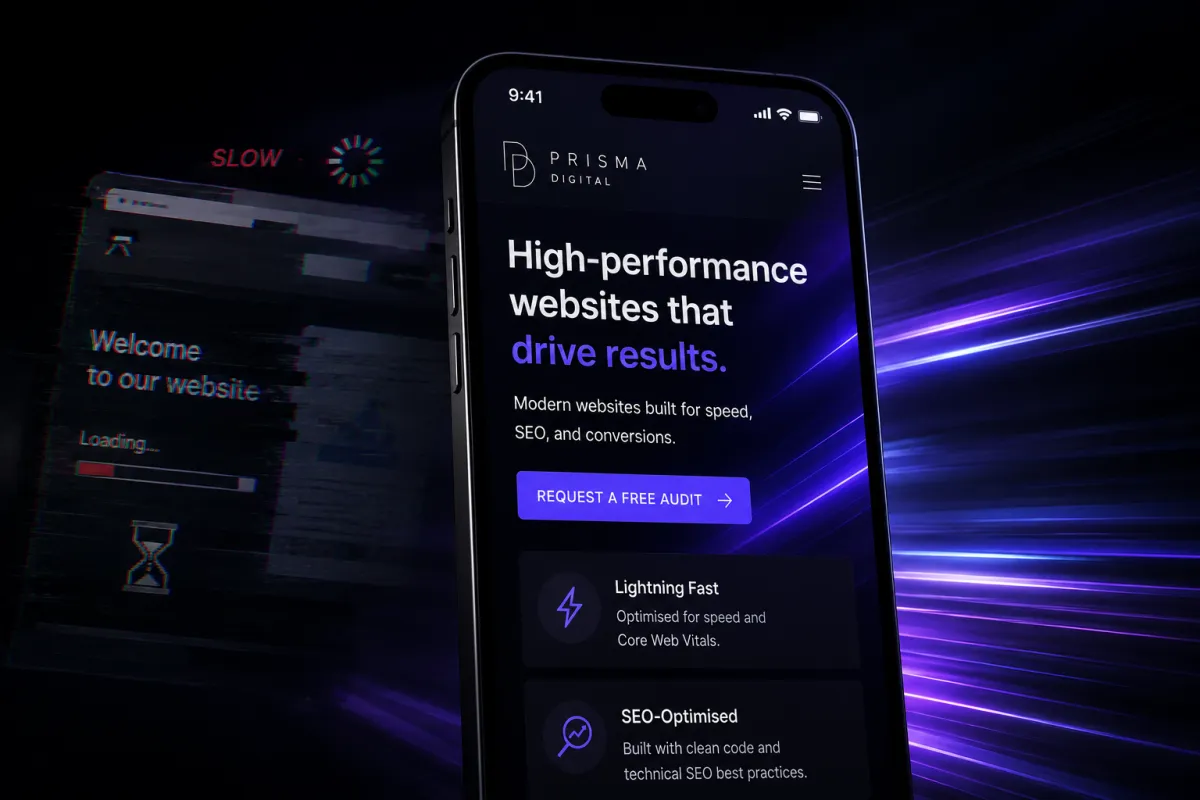
A slow website creates friction.
A fast website creates momentum.
Businesses investing in performance are increasingly outperforming competitors still relying on bloated, outdated websites.
Speed Shapes First Impressions
Users form opinions about your business within seconds.
If your website loads slowly, stutters, or feels unresponsive, trust immediately drops.
Modern users expect:
instant loading
smooth navigation
responsive mobile experiences
clean interfaces
A slow experience subconsciously signals:
outdated systems
poor quality
lack of professionalism
Even if your actual service is excellent.
Performance is part of branding now.
Google Rewards Faster Websites
Search engines increasingly prioritise user experience.
That means website speed directly affects SEO performance.
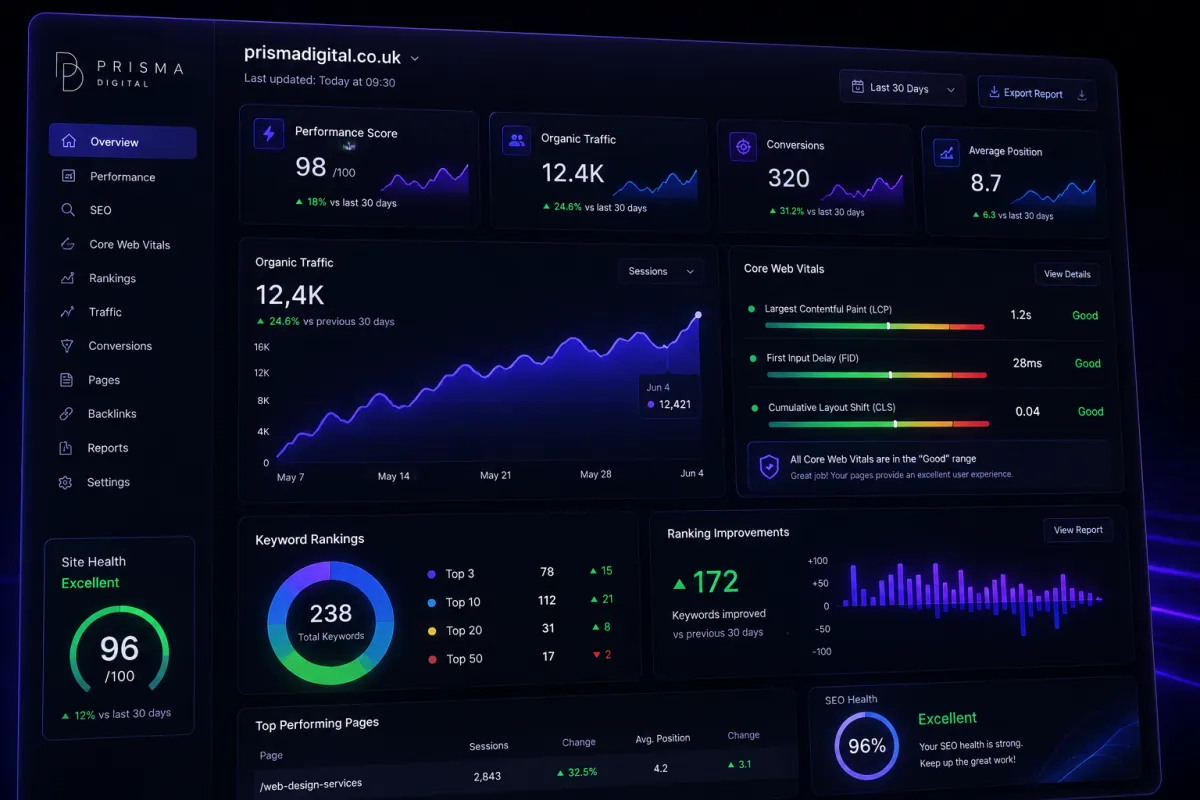
Google’s Core Web Vitals measure:
loading performance
visual stability
responsiveness
real-world user experience
Slow websites often struggle to rank because users abandon them quickly.
Businesses spending money on SEO while ignoring performance are effectively fighting with one hand tied behind their back.
Mobile Performance Matters Most
For most businesses, mobile traffic now dominates.
Yet many websites are still built like desktop experiences awkwardly compressed onto smaller screens.
Heavy animations, oversized images, excessive plugins, and poor optimisation create frustrating mobile experiences that drive users away.
Modern websites must be:
mobile-first
lightweight
responsive
performance-focused
Fast mobile experiences now have a direct impact on:
enquiries
engagement
bounce rates
conversion rates
Slow Websites Increase Bounce Rates
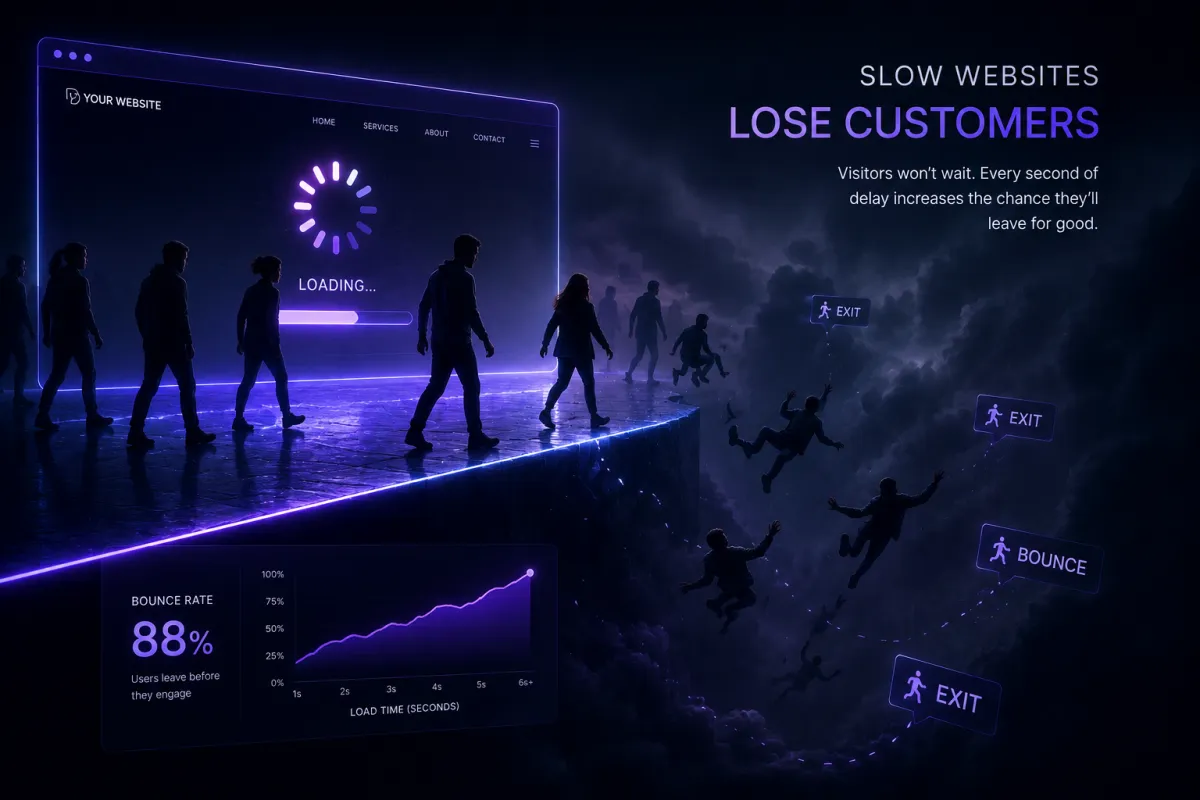
Bounce rate measures how quickly users leave your website without interacting.
Speed has a massive influence on this.
A slow website interrupts momentum.
Every second of delay creates friction.
Businesses often invest heavily into:
paid ads
SEO
social media marketing
Only to lose potential customers because the website experience itself feels poor.
Traffic without performance is wasted opportunity.
Faster Websites Convert Better
Fast websites feel more trustworthy.
They feel modern.
Professional.
Reliable.
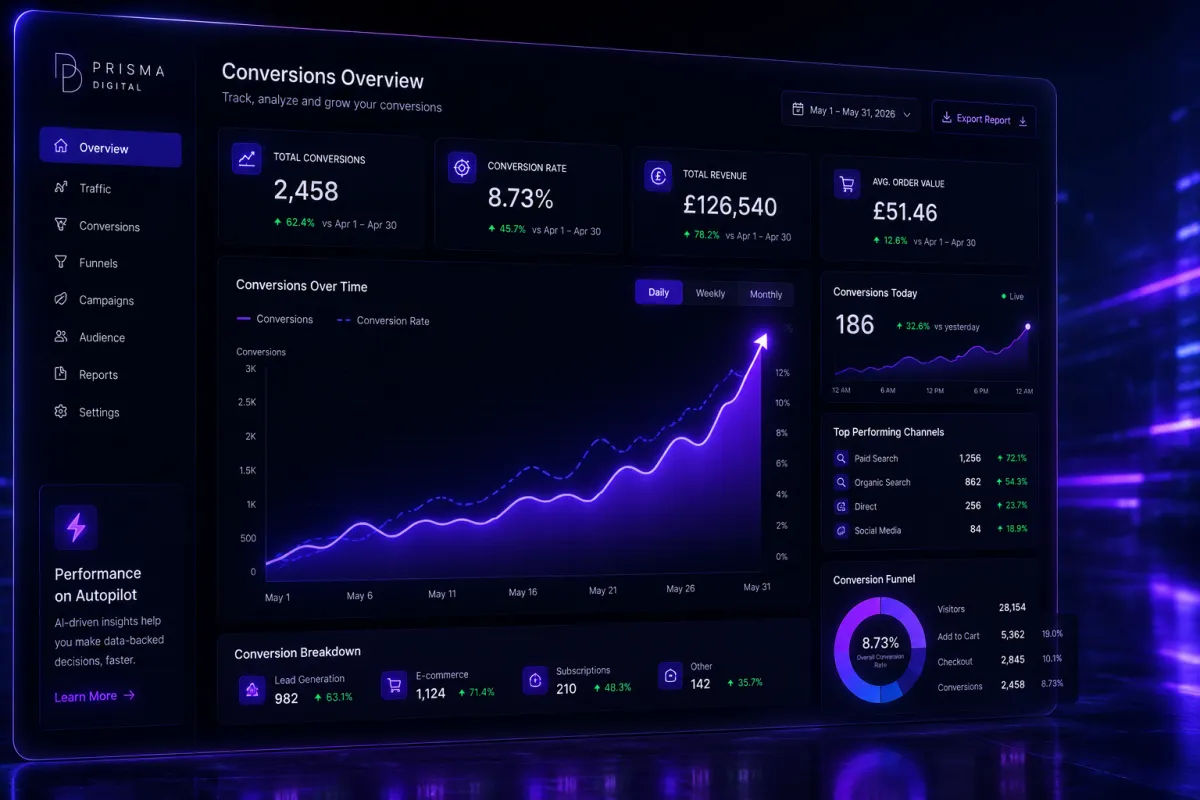
Performance improvements often lead to:
higher conversion rates
longer session durations
more enquiries
better customer confidence
The difference between a business gaining leads consistently and one struggling online is often not traffic.
It is conversion efficiency.
Most Performance Problems Are Preventable
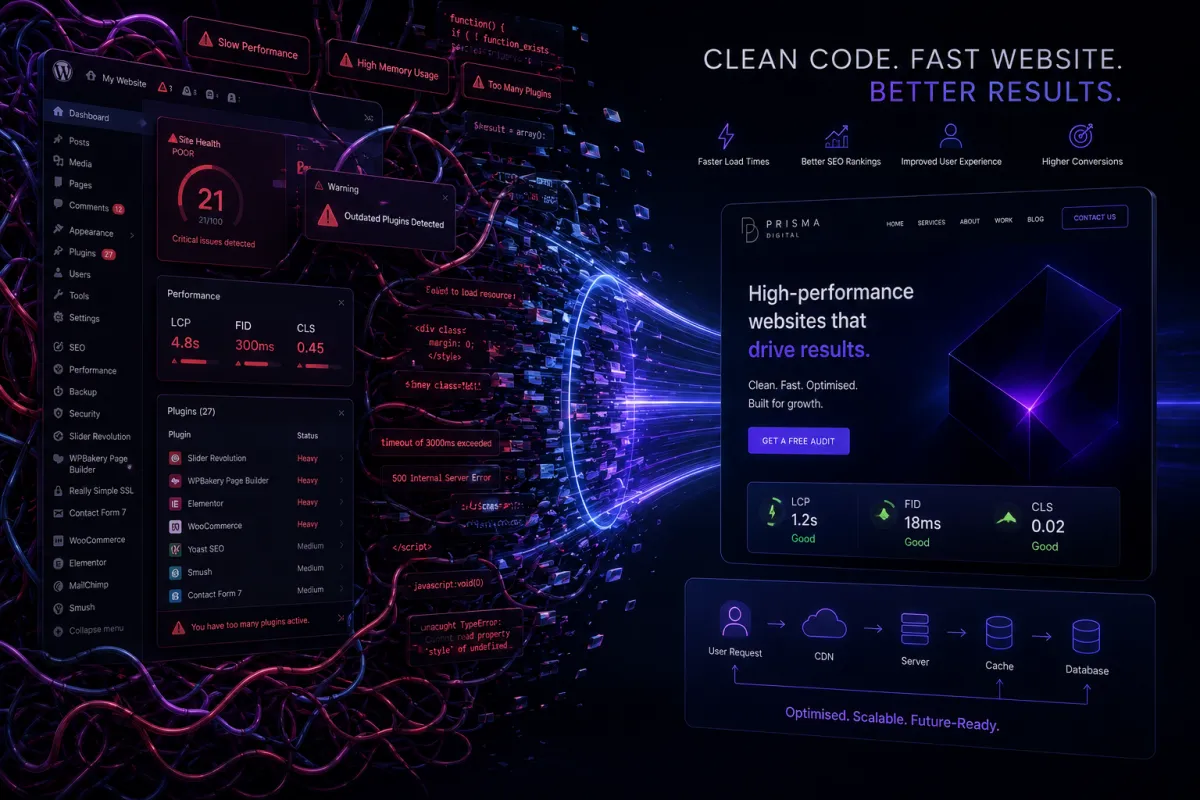
Many slow websites are built on weak foundations.
Common causes include:
bloated themes
excessive plugins
poor hosting
oversized media
outdated infrastructure
unnecessary scripts
Over time, websites become heavier, slower, and harder to maintain.
Performance should not be treated as an afterthought.
It should be part of the architecture from the beginning.
Final Thoughts
Website speed now affects almost every part of digital growth.
It impacts:
SEO
user experience
trust
engagement
lead generation
conversions
Businesses with fast, modern websites are creating smoother customer experiences and gaining an increasingly important competitive advantage online.
Performance is no longer optional.
It is infrastructure.